Within hours of arriving in Cuenca, I had discovered why we have regulations back home against keeping roosters in urban areas. Waking before the sun, the relentless proclamations of the neighbourhood’s feather fiend made it very tempting to add a serve of poultry to my breakfast. Luckily for him, I was in the midst of a hill-hangover and certainly wasn’t going anywhere quickly.

Cuenca, and its UNESCO listed historical centre, made the perfect place to relax and recuperate for a few days. The four rivers that run through the city are not only the dominant feature of its geography, but also the inspiration of its name. Cuenca, in Spanish, refers to a ‘basin made by a confluence of rivers’. These rivers are all part of the Amazon River watershed, a fact I can attest to having witnessed the water falling out of the hills on the ride up to the city over the previous few days. I was hopeful the lactic acid would drain from my legs in a similar fashion.
At the end of our first day in the Cuenca, David and I discussed our respective thoughts on the road ahead. A week since the confluence of our journeys, it became clear that it was time for our paths to diverge. David’s eyes were set on returning home and my next stop was Peru. Following a few farewell beers and some philosophising about the purpose of these journeys, I had mentally begun plotting the next stage of my route. The options were to either continue south through the Andes as planned, or to take a south-westerly path, dropping from the Ecuadorian highlands to the northern beaches of Peru. For so long, my mind had been set on traversing the mountainous roads of the Peruvian Andes but, for whatever reason, the sun, sand and surf were beckoning. And, obviously, the idea of a 2500m descent was a pretty influential factor!
Within days of leaving the Amazon Basin, I found myself sipping a coconut and swinging in a hammock as I watched the sun set over the Pacific Ocean. I had wandered the Spanish inspired streets of Ecuador’s most European city, parted ways with my new amigo, and completed a pedal-powered crossing of the Andes. Although slow enough to smell decaying roadside carcasses and be overtaken by butterflies, I’m continually amazed by how much can be achieved whilst travelling on two-wheels. I struggle to think of a better way to see the world.
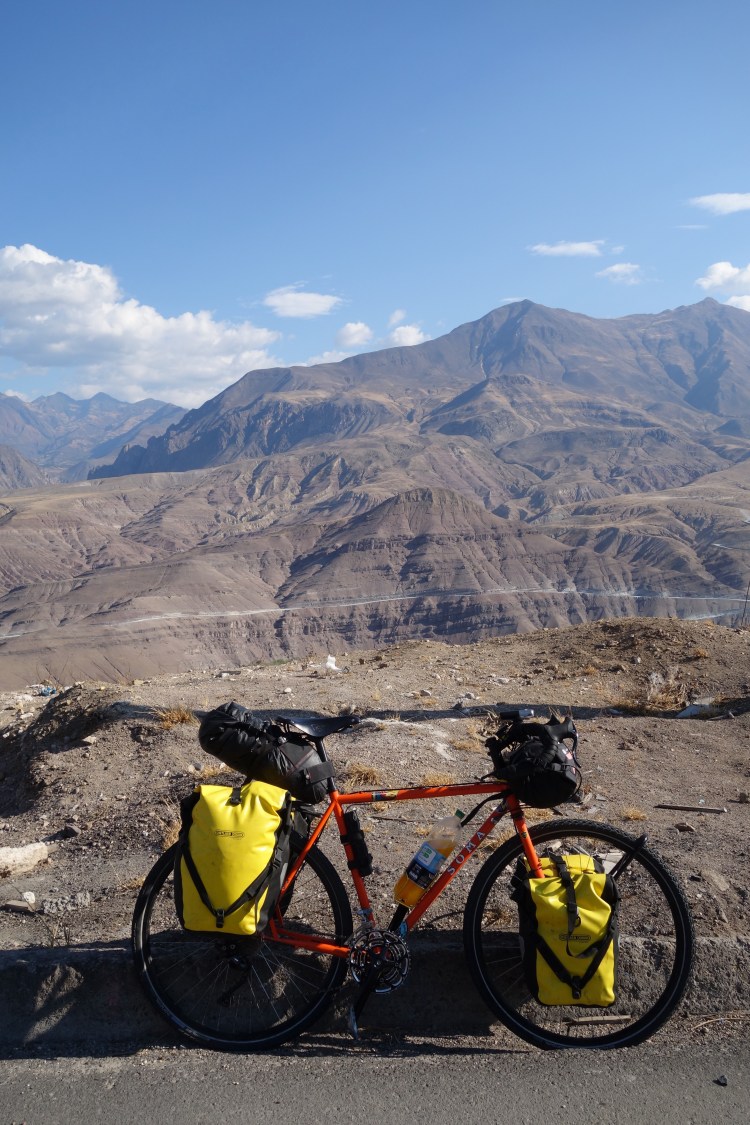
New brake pads don’t stop donut addictions
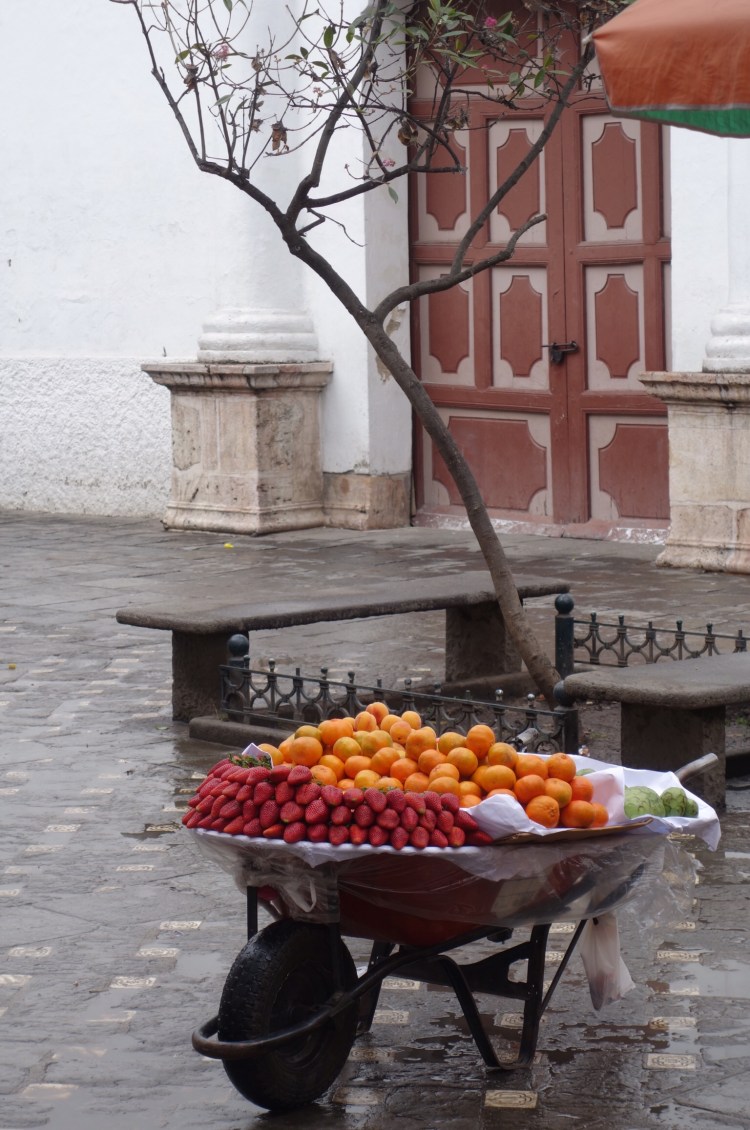
Long journeys require a particular mindset and a balanced approach, which takes time to establish. A city like Cuenca, for example, is home to parks, museums, galleries and examples of colonial architecture, all of which could easily absorbs days, if not weeks, of a visit to Ecuador. Opening a guide book, or scrolling the internet’s plethora of ’10 things to do in Cuenca’ sites, becomes a little overwhelming. For the first month of this trip, I was struck with guilt when I passed though a location without stopping to experience its various attractions and significant sites. But, at the end of the day, I rarely find myself reflecting on the age of buildings, prominence of cathedrals, or names of the conquistadors that laid the cobblestones that I ride over. I do, however, lay awake replaying conversations I’ve had with locals who are forging their living at roadside fruit stalls, or trying to identify a species of bird that I have seen wading amongst fields of rice. It has taken a while to recognise, but I am gaining so much more from my daily observations and interactions, than from adhering to, and replicating, the recommended experiences of a well-researched author of a guidebook. Of course, there are a number of alluring locations that I am riding towards. These include Machu Picchu, the Atacama Desert, and Patagonia. However, there is no doubt in my mind that when I return home, I will be talking about the people I’ve met, and the places I’ve seen whilst on the roads between these places. After six weeks in South America, I am finally letting go of the FOMO (fear of missing out) and focusing my energy on filling the blank pages of my own guidebook. Cuenca, with all its sites and well-publicised attractions, provided the perfect opportunity to practice this philosophy.
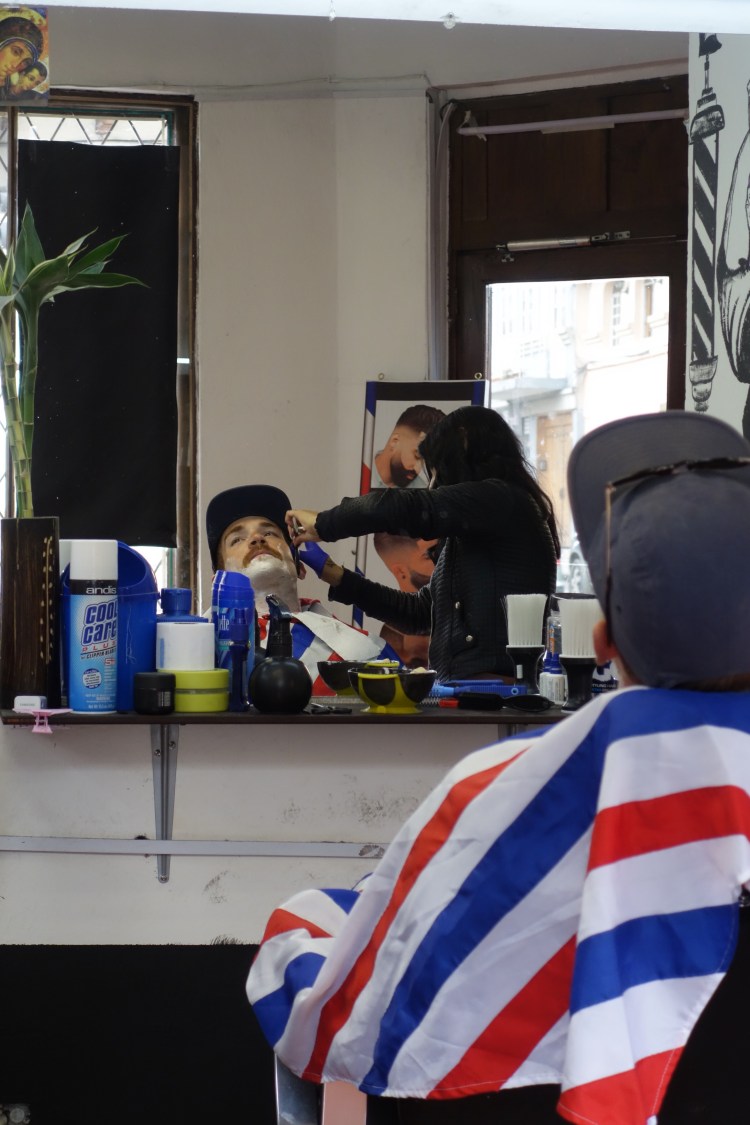
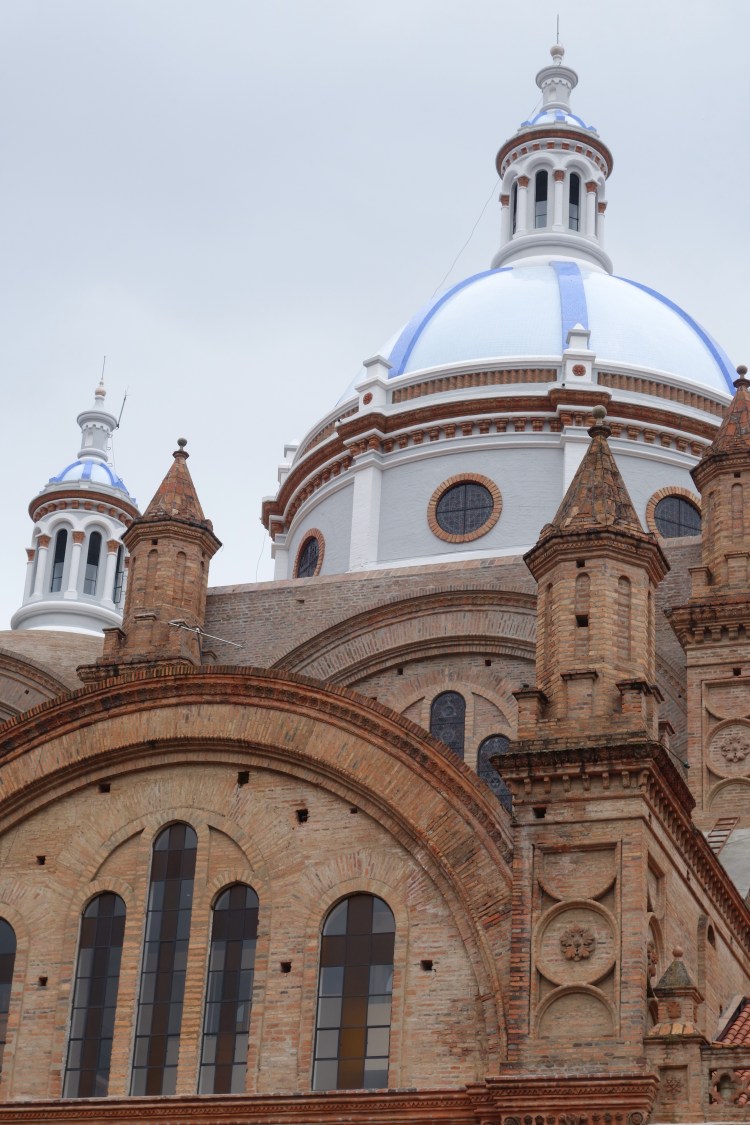
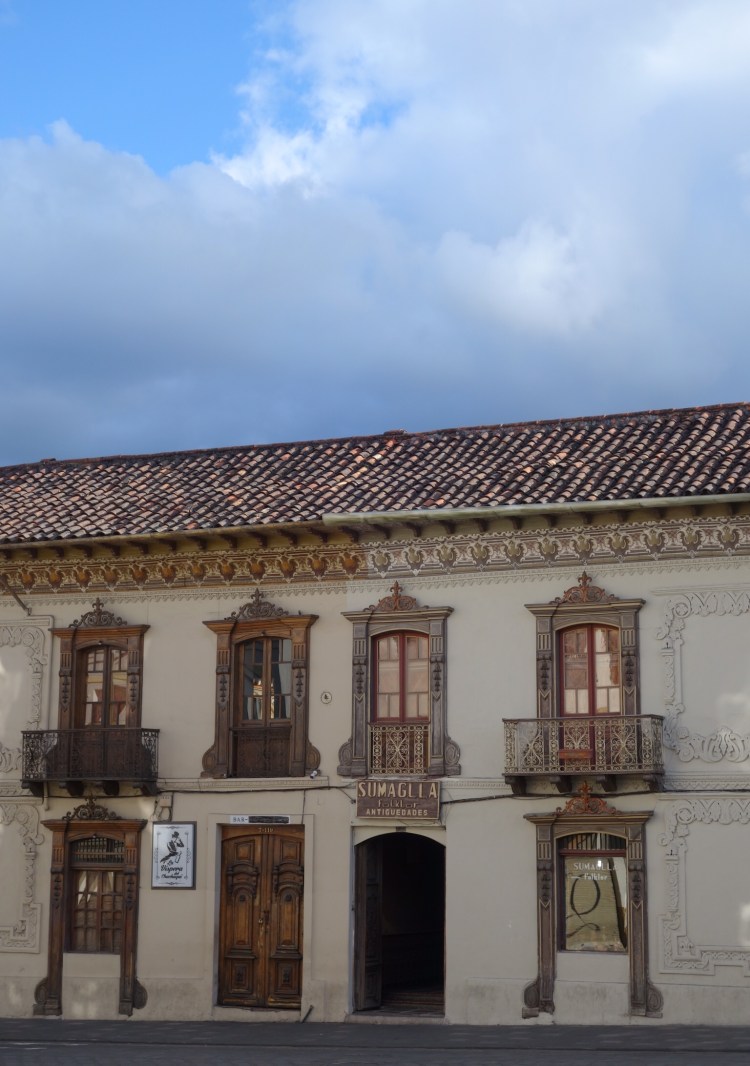
After numerous coffees and a slow morning, David and I wandered the banks of the Rio Cuenca; one of the fast flowing, crystalline rivers that dissects the city. Its banks were lined by graffitied walls and buildings from various eras, providing a brick and mortar timeline of the historical development of the streetscape. We snaked our way down the river, crossing back and forwards over the numerous stone bridges which connected the historical centre with Cuenca’s newer, commercial district. Using the towering cathedrals of the colonial centre as reference points, we headed back into the maze of narrow, cobblestone streets and whitewashed buildings of the oldest parts of town. In preparation for his return home, David settled into the reclining leather chair of a barber, putting the fate of his jugular in her hands as she rid him of his vagabond stubble and carefully shaped his moustache. Despite seeming relatively unfazed by the job at hand, I got the impression that David’s stylistic requests weren’t exactly part of her normal day-to-day trimmings.


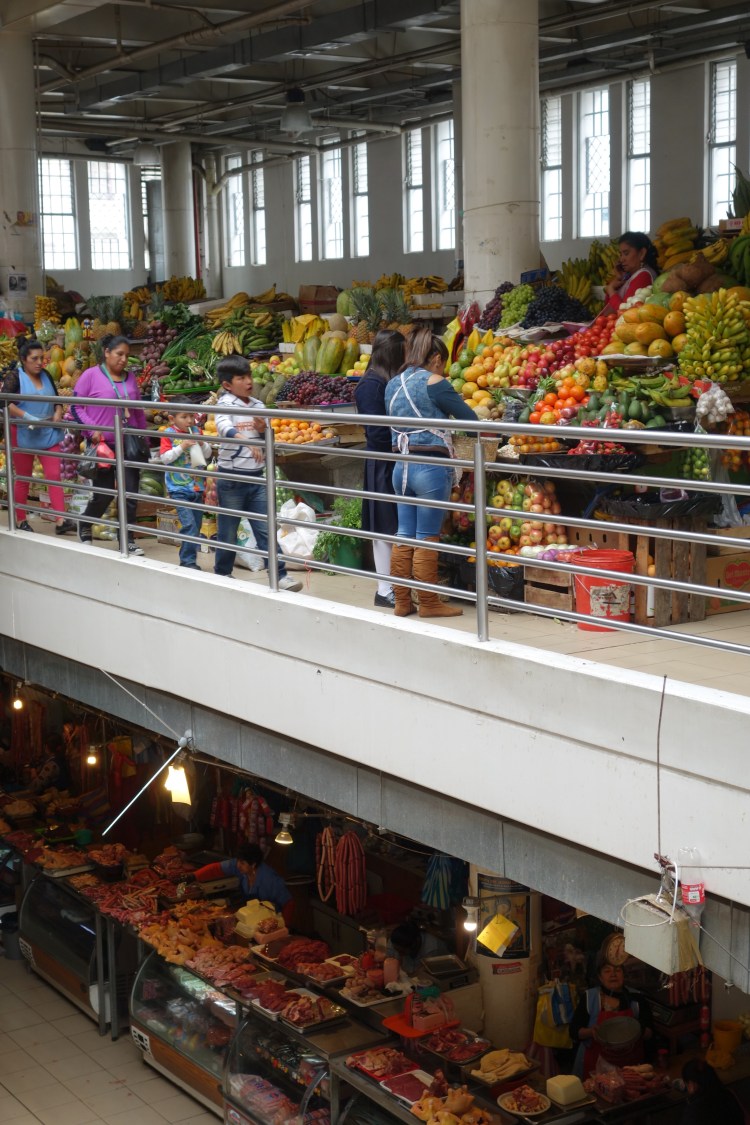
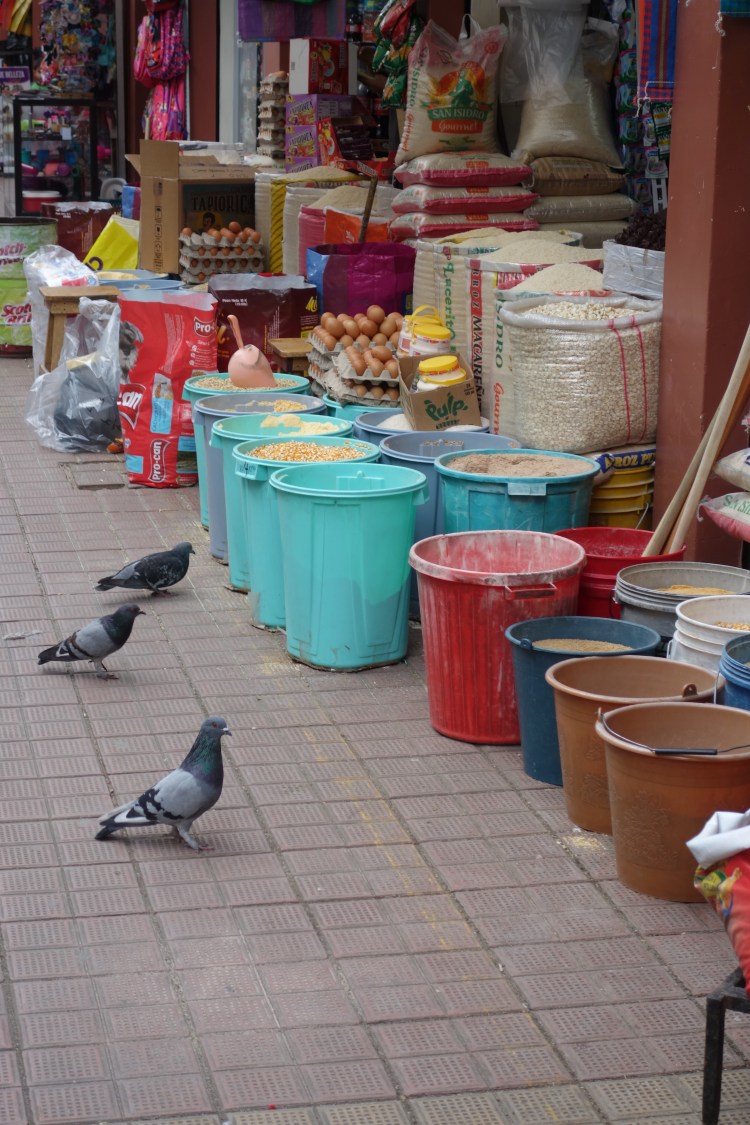
Post-shave (don’t stress – my attempt at once-in-a-lifetime beard remains on track), we discovered one of Cuenca’s many marketplaces. These warehouse-like buildings take up entire city blocks. They are chocked three-storeys full of vendors selling everything from fresh bunches of cilantro and ripe avocados, to plates of pork cut directly from the back of crispy, metre-and-a-half long pigs who had clearly seen better days. Visually and aromatically overwhelming, these markets provide the perfect place to sit and absorb the rich daily culture of Cuenca. A sweet coconut smoothie provided an antidote to the fatigue that was beginning to sweep over my legs. With the day heating up, we returned to our accommodation, stopping by another market where I stumbled across the best donut I’d tasted in South America (i.e. not stale) from a small bakery that I am certain doesn’t occupy the pages of any guidebook.

We woke early the next morning. Again, the rooster was making his presence known, but the main driver was to have breakfast with David before he hit the road. Following a few final coffees together, David discussed his interest in a cycling trip to Tassie in the next few years. I often catch myself talking up the unrivalled beauty of the southern paradise I call home, so hopefully his visit comes to fruition and I can back up my bold proclamations. For now, however, his next big challenge awaits him back in the States, in the form of a supply and demand job with Cannondale. We said our farewells before he rode north to the city of Guayaquil, from which he would fly home to Connecticut.
I spent the remainder of my final day in Cuenca cleaning the running gear on Malefica, replacing her brake pads which had taken a beating over the last six weeks, clearing the fuel line of my stove, and eating the afternoon away in my favourite marketplace; Mercado de Agosto. Admittedly, my love affair with this market revolved around the small, aforementioned bakery which became my exclusive donut dealer during my stay. Ashamedly, on the morning I was leaving Cuenca, the girl at the bakery had already prepared a serviette containing two of the chocolate-covered beauties upon seeing me approach. As I handed her the 50 cents and smiled in appreciation, I don’t think she had any comprehension of the memorable role she had played in my time in her city. It took a lot of will power not to fill an entire pannier on my ride out of town.


Choking on oxygen
Going cold-turkey on donuts only added to my hypersensitivity towards being back on the road on my own. It had rained overnight which had turned the previously clear Rio Cuenca into a turbid torrent. The ride out of Cuenca was slow as the road was choked with traffic and the air thick with diesel fumes from the banked up busses.
As the traffic thinned out, the hillsides parted to reveal expansive dairy country. I managed to ride smaller roads that ran parallel with the Pan-America, passing through a number of forgotten towns which had been bypassed by the highway. After an hour or so of fast, flat riding, I passed through a road cutting which marked the beginning of the descent to the coast. Despite being punctuated by short, sharp climbs, the road was epic. In the same way the landscape had changed on the climb up from the Amazon, again I found myself in the midst of a ecological transition of awe-inspiring proportion.
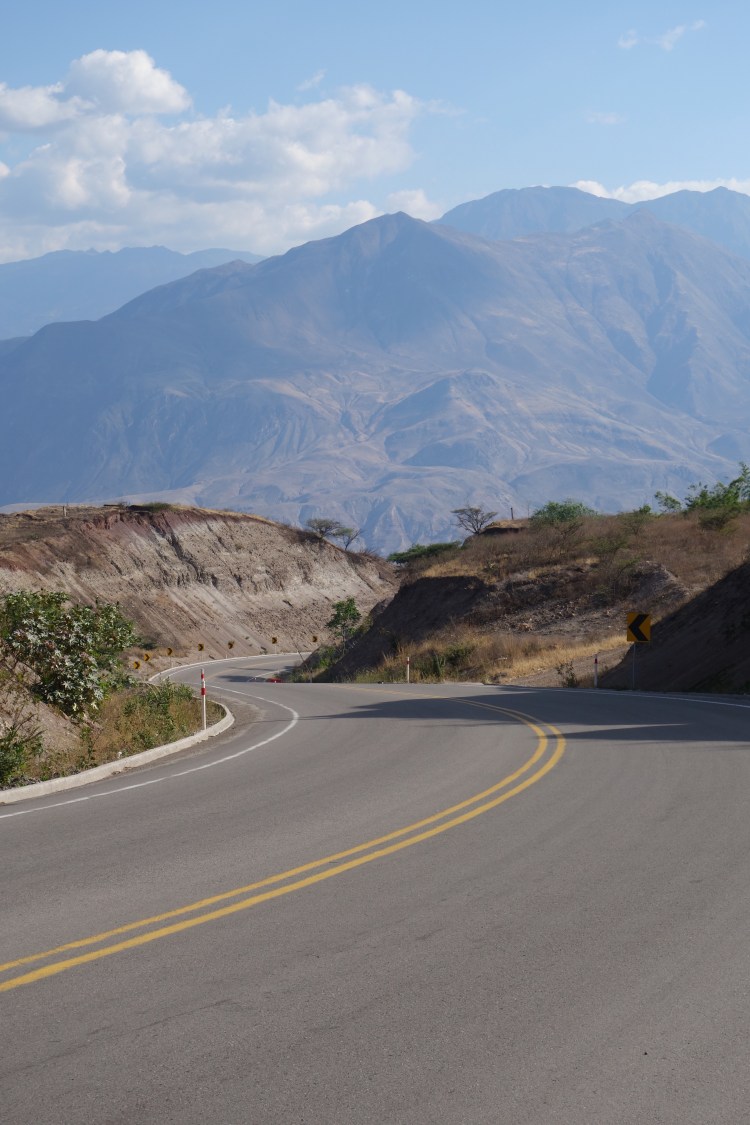

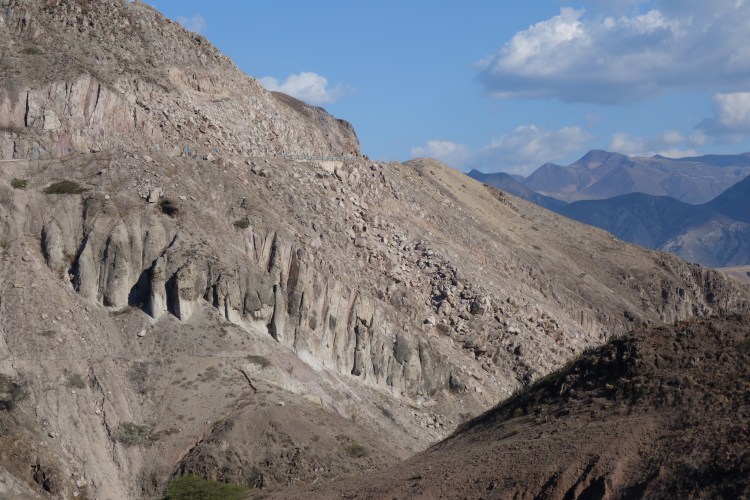
The more I distanced myself from the fertile farming country, the more barren the hillsides became. Mining operations were prolific, leaving irreparable scars on the landscape while the road traced a line through steep gorges, clinging to crumbling hillsides. As the sun fell towards the western horizon, its rays were interrupted by the lofty peaks, creating a mesmerising afternoon light show. The deeper I dropped into the gorge which was cutting my path to the coast, the storage the headwinds blew as they were funnelled through the road cuttings. Beside the road, farmers were drying their cacao crops on purpose-poured concrete slabs.
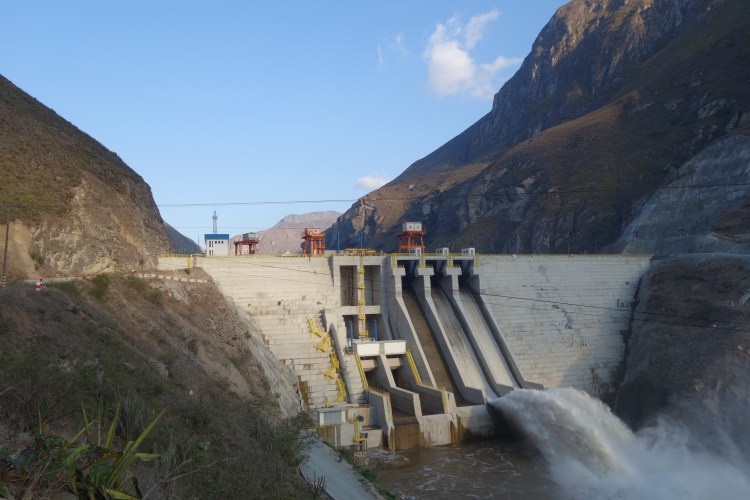
Almost immediately, the river I had been following downhill flowed out into an sizeable reservoir which stored the potential energy for downstream communities. A 450m tunnel transported me to the other side of the dam wall to where an immense volume of water was being discharged and where I was reintroduced to the sun. The increased natural light filled me with energy as it felt like I’d been gifted extra daylight hours. Emerging on the western side of the mountains also illuminated the fact that I’d been riding through a rain shadow for the last few hours. The tunnel had carried me from a dry landscape painted in earthy tones, to lush, viridescent hillsides coated with palm trees.


At 5.30pm, my odometer ticked over 2000km. I sat on the side of the road and checked the map. It was 35km to the next town and campsites were few and far between. All the while, I was watching my first coastal sunset of the trip making for a golden hour to be on the road. I decided to ride on.
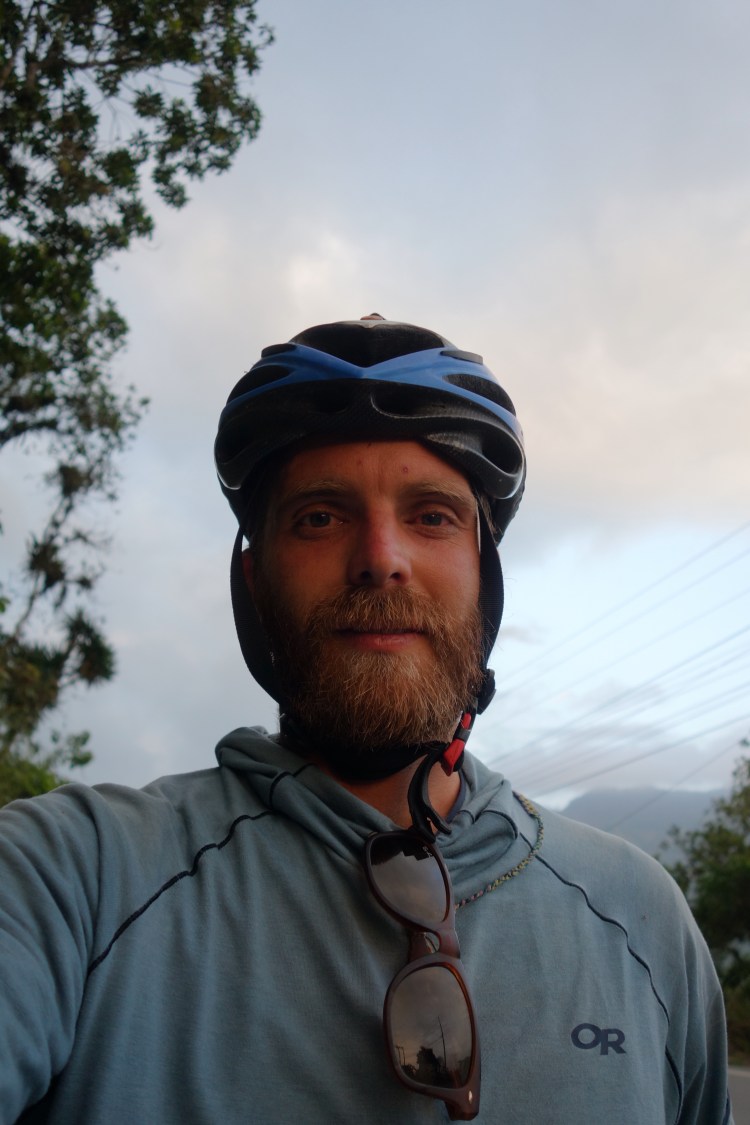
After six and half hours, 156km, and 2500m descent, I arrived on dark in the town of Pasaje, where I found myself a dinner of rice and fresh broccoli which was a gift from the god of greens. It was the perfect compliment to the rich, sweet taste of oxygen which was the thickest I had experienced since arriving in South America.
A border and the beach
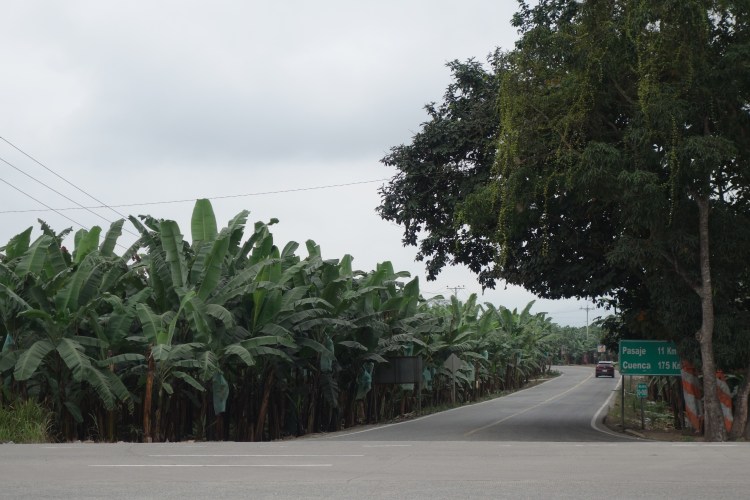
Approaching the border of Ecuador and Peru, I was reminded of how, in contrast to the rapidly changing landscape, peoples’ mindsets are often much slower to adapt to new surroundings and situations. I stopped for a coconut on the side of the road, having spent the morning riding a flat Pan-American highway through miles of banana plantations. As I sipped nature’s answer to Gatorade, the lady at the stall told me I was crazy crossing the border on my bike. She continued to tell me it was the most dangerous border crossing in South America and that there were countless Venezuelans and Colombians just waiting to rob me. It’s fair to say the coconut water in my stomach was beginning to churn. Regardless, I had no option but to continue.
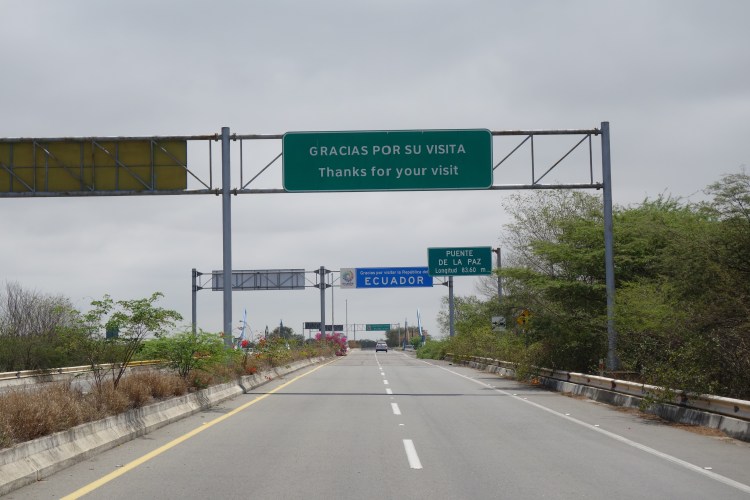

On edge, I slowly pedalled into the border crossing station. I rode past dozens of Venezuelans sitting atop their luggage in the immigration queue. No one jumped out to rob me. After cycling in circles for a while trying to understanding the process, I was waved down by a policewoman. She pointed me to a room and reassured me that my bike would be safe with her at the doorway. Within 15 minutes, I had been stamped out of Ecuador and into Peru, effortlessly changed my currency for USD to Peruvian soles, and witnessed nothing but smiles from the numerous people going about their business.
Cycling away from the border, I reflected on yet another lesson. Whilst upholding vigilance, it is so important to believe people only mean well. Context influences our perceptions of the world and for those of us fortunate enough to effortlessly cross borders, we are so often exposed to the best sides of humanity. I’d like to think that only one in a million people have bad intentions, and the likelihood of me coming into contact with one of those people is so incredible slim.
I ride on in faith.
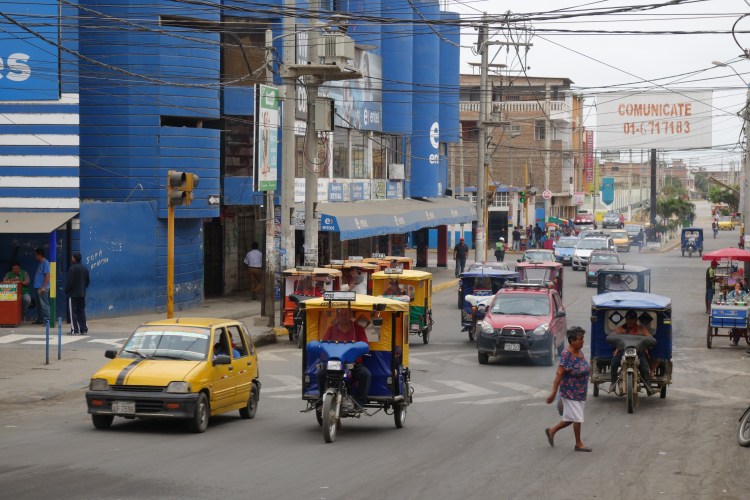
My first night in Peru was spent in the town of Tumbe, 30km south of the border. The approach to the centre of town was overwhelming – I felt as though I’d arrived in Central Asia. Motorised tuk-tuks swarmed the road, like the Selleys No More Gaps of traffic, filling the spaces between the cars, trucks and busses. My defensive riding skills were tested. I was forced to adopt the philosophy that if you can’t beat them, join them. Despite my lack of horn, I could match their speed, so I followed their lead and weaved my way between the larger vehicles all the way into town.
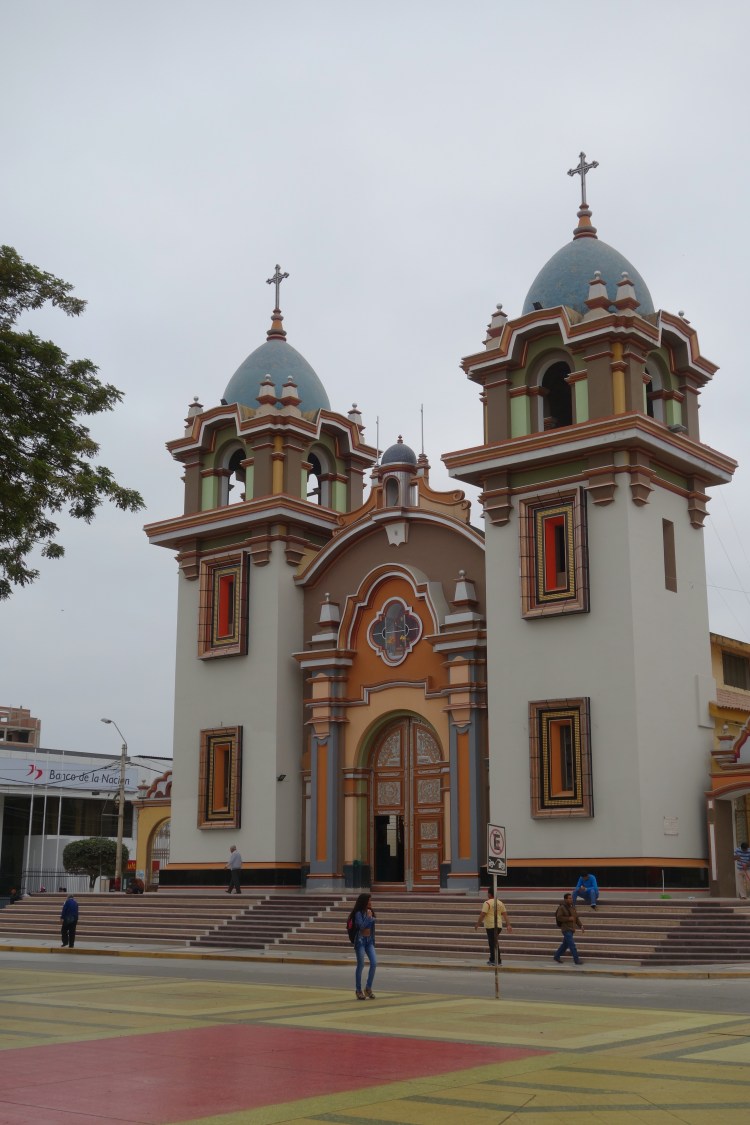
Although still out of sight, the perfume of the ocean was thick on the afternoon breeze. I had arrived in the third country of my journey and, despite the various landscapes that were behind me, I was still yet to revel in the presence of the seaside. It was an exciting prospect.
Crossing into a new country rouses various sensations; progression, adventure, freedom. It also seems to bring slight trepidation, especially when the country is as big as Peru. The road ahead is long still seems so long, but I am sure the waves over the next few days will be foaming with positive vibes from the other side of the Pacific.
Missing you all.
Thanks for reading.
 Faults and Folds