My wave-chasing friends would be appalled. I had no idea that Peru was one of the world’s premier surf destinations. Given that I’m entrusted with the Geography education of senior students back home, I’m also perturbed by my ignorance.
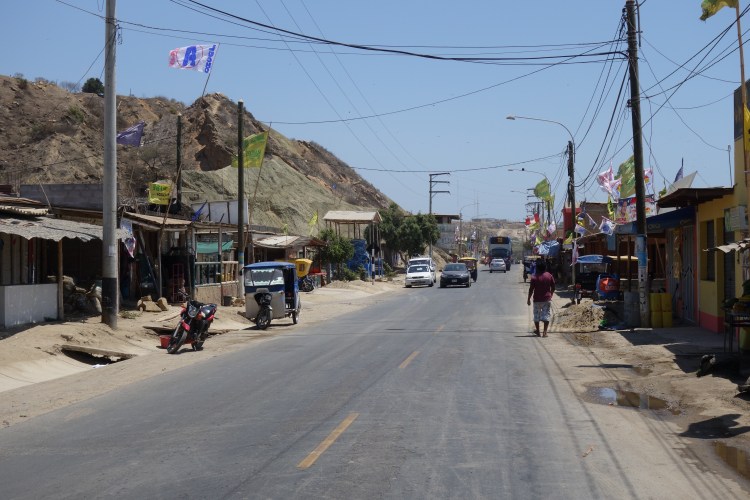
From its border with Ecuador in the north, to where it meets Chile in the south, Peru’s entire western boundary is dictated by almost 2500km of coastline. Each day, the caramel coloured sands and Cretaceous-aged headlands mark the end of the journey for ocean swells which have rolled incessantly across the pacific for thousands of kilometres. Of course Peru is home to some of the most alluring waves on the planet! It’s a no brainer. Still, it wasn’t until I cycled along the sandy, potholed streets of the first ‘surf’ town I encountered, that I began to understand just how much this region, and its people, are powered by the endless Pacific swell.
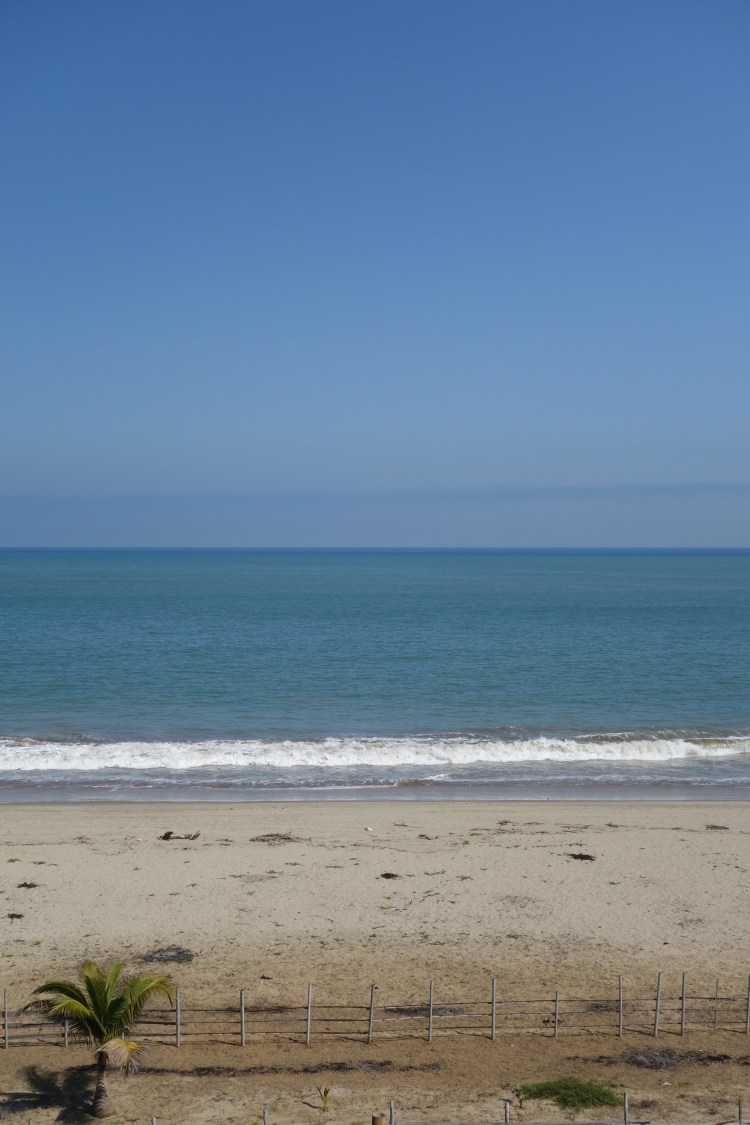
What was only going to be one night, stretched out to two. The same thing happened at the next stop along the coast. Towns that had previously appeared as names on a map, quickly became fond memories, laden with eccentric personalities, succulent mangoes, sunset swims, and an ever present, rejuvenating energy from the ocean. As I listened to the sleepless swell from within my tent at night, I couldn’t have felt happier with my decision to descend from the mountains. Most importantly, with each turtle that floated past in the surf, and every Humpback that breached on the horizon, I began to feel more at peace with the path I am following.
A week on the coast prompted reflection around my use of language and how it may be influencing my cognitive approach to this journey – both as a whole and on a daily basis. Between sipping coffee and diving beneath the waves, I used my time beside the ocean to breathe. Pressing pause on what has been a constant sojourn south allowed my mind and body to reset. I was oblivious to my need for this, yet retrospectively it was clearly overdue. After a final dip in the briny paradise that is the Pacific Ocean, I turned for the hills. Riding away from the coast I caught myself screaming into a stiff headwind, “THIS IS THE BEST LIFE!”.
Days.
“Why do you call them ‘rest’ days?”, she asked.
I had just arrived in Mancora, a town on Peru’s northwest coast known for its beaches, bars, and perfect surf breaks. Lying in a hammock fashioned from a retired fishing net, I was making the most of a wifi connection and chatting to my girlfriend, Mary, back in Tasmania where the spring blossoms were slowly waking up.
“I’m knackered. My body needs a break. I’ve got a few big days coming up”, I responded in a rehearsed manner. Despite sounding somewhat regimented, it wasn’t insincere. They were the reasons behind my decision to pay for two nights at Tito’s Campground; a scattering of sandy campsites beneath low hanging, black tarpaulins and palm trees that were boasting an unnerving quantity of ripe coconuts.
‘’Why don’t you just call them ‘days’?”
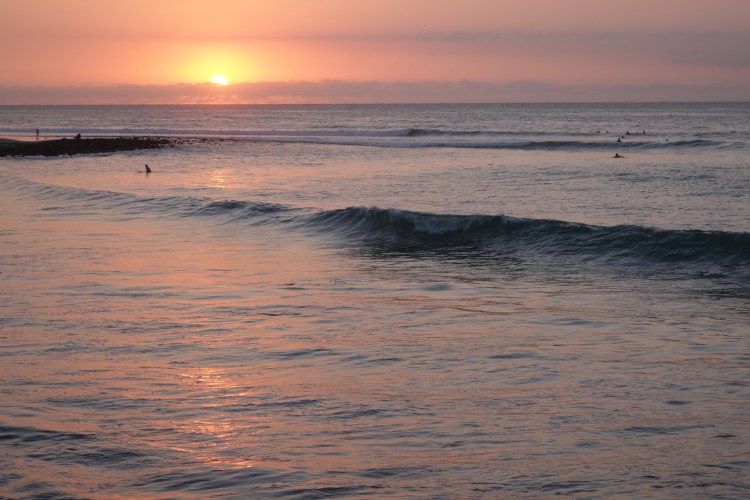
I pondered this idea as I wandered the shoreline towards the centre of town. The sun had set at least half an hour before, yet I could still make out a handful of surfers in the water, floating in hope of the best wave of the day. In that moment, their bodies now silhouettes on a ocean of purple velvet, I realised the difference between resting and existing. Hardly moving, they sat balanced on their boards, positioning their bodies to embrace and adapt to whatever forces rolled beneath them. There was no rush, no pressure to move forward until the time felt right. With the noses of their boards pointed towards the darkening horizon, they watched intently as each wave reached its silky crescendo before being reduced to an avalanche of white water. Despite travelling less than a few hundred metres in a day, these surfers were learning more about the natural world and our place within it, with each passing wave. A simple, yet synergetic existence. In the absence of a distant destination, there is no reason to rest. The objective is to simply exist, wholly, with eyes wide and mind open. Floating amongst the waves there was a lesson I needed to learn.
In telling myself I am having a ‘rest’ day, I am only reinforcing the idea that I have a deadline and a final destination; a goal that won’t be achieved until I arrive. Objectively, this is true. But, there are so many days between now, then and there. And these days will continue to come and go, so why associate particular value to each one depending on how much closer it takes me to my destination? I’m floundering in the cliché, however, Mary’s simple question has forced a shift in my mentality towards this journey.
I will reach Argentina. It will most likely involve a few bus journeys to make up the miles, but I will get there nonetheless. Of increasing importance is that I keep my eyes on my true destination; contentment. This doesn’t require rest, just existence.
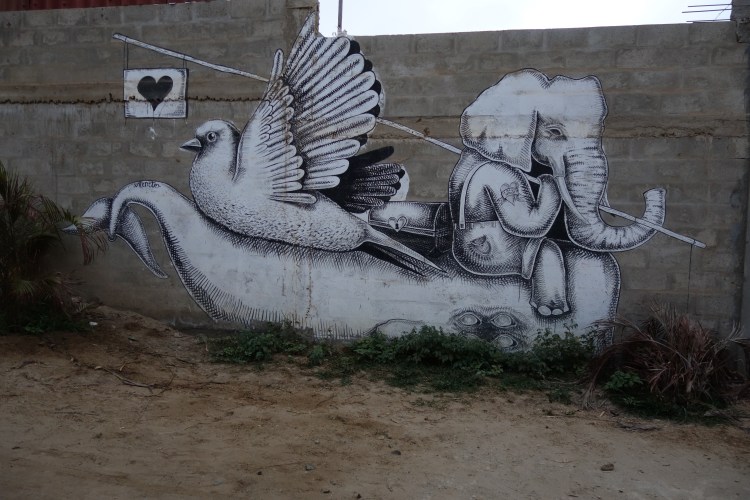
From now, until the end of December, there will be days spent both on and off the bike. Some days will be spent heading in the opposite direction from Argentina, while others might be spent lying beneath trees in the hope of spying a hummingbird. Regardless of what the road ahead has in store for me, I feel so much more relaxed in saying that I will not be having anymore ‘rest’ days, just days.
Within the waves…
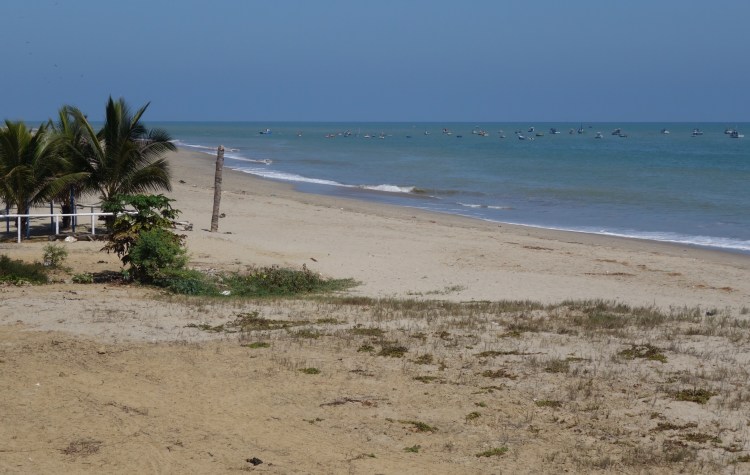
I smelt the coast before I saw it. The unmistakable, sulphur-rich aroma of rotting seaweed was thick in the air. As I approached the ocean, the landscape became increasingly arid. The headwinds caused sand devils to dance in the middle of the road, making for gritty eyes an a dusty face. When I eventually hit the coastline, the road had no option but to turn southward. For 60km, the asphalt hugged the shoreline, with each bend in the road dictated by the shape of the adjacent beach or headland. It felt surreal. Perhaps it was the fact the road was entirely flat, or maybe it was the novelty of a seemingly endless azure body to my west.
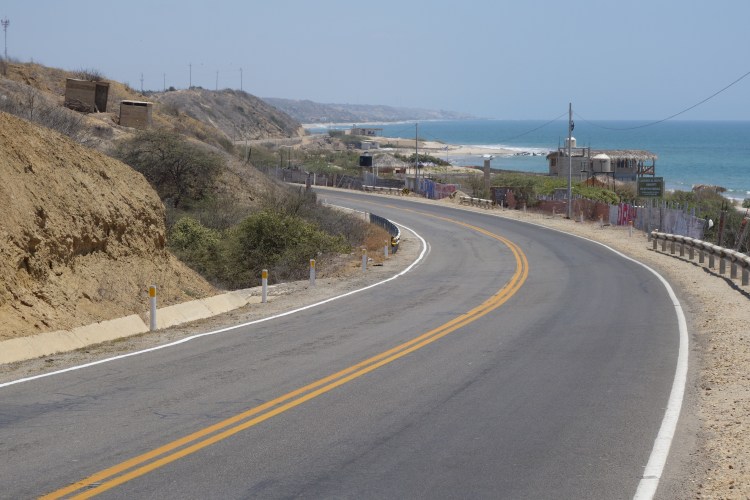
Looking south, the scene was somewhat monotonous; ocean, beach, road, desert. Navigation was a breeze. As long as the ocean was to my right, I knew I was heading in the right direction. Regardless of having not had any trouble thus far with route finding, the new landscape before me did instil a sense of calm. The riding was fluid and care free.
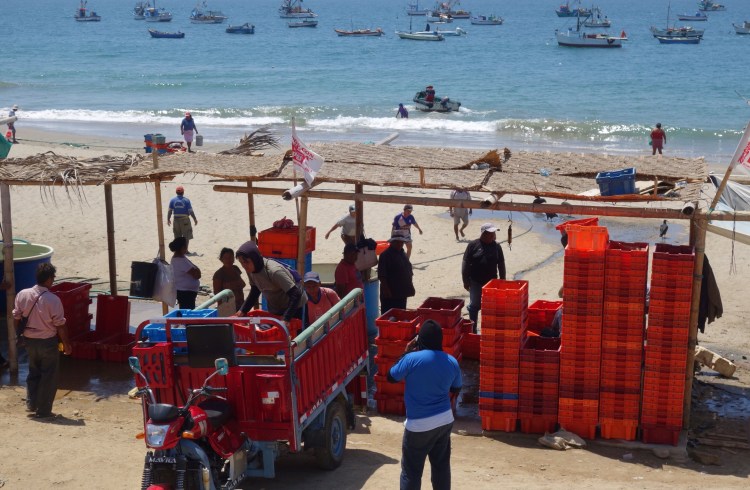
I enjoyed looking along the distant coast, trying to locate the next settlement. Despite the tan-coloured, mud brick buildings of each town blending into their desertified surroundings, there were still some distinct telltale signs of habitation in the distance. Firstly, with regional elections being held throughout Peru on October 7, people have begun throwing their support behind candidates in earnest. In addition to the standard billboards and campaign vehicles, any blank wall is plastered in the the names and slogans of various contenders, whilst the air above the streetscape is filled with supportive flags hanging from flimsy bamboo poles. Whenever the hand painted insignia or the flapping banners began increasing in quantity beside the road, I knew I would soon be arriving in another seaside village or hamlet. The second indicator of upcoming civilisation, was the site of various vessels extending out from the coast. In a rather linear arrangement, fishing boats (the central component of the economy for these coastal towns) could be seen well into the distance. Generally, they were organised based on size, with the more vulnerable skiffs being moored closer to the beach, whilst the larger trawlers, with their ballast arms extended, held their position in deeper water. Above each flotilla there was always a large flock of sea birds, suspended on the breeze, waiting for their next meal of fish scraps. These towns came and went as the kilometres rolled beneath my wheels. I stopped occasionally to indulge in a fresh coconut, or to watch as fishermen unloaded the daily catch and squabbled more than the hovering gulls as they negotiated the best prices.
As mentioned, the town of Mancora was my first stop on the Pacific coast. The owner, and namesake, of the campground, Tito, welcomed me with open arms, literally. He had tight, greying curls and an unbuttoned white linen shirt which allowed his taut brown belly to receive optimum sunlight. After putting his hands on my shoulders and introducing himself, he arched his back in a stretch, pushing his avocado seed stomach towards me. His relaxed nature emanated throughout the campsite, which had become a temporary home to an eccentric mix of surfers and musicians.
I would have liked to get to know Tito a little more. Unfortunately, when he wasn’t greeting a new guests, he was asleep in his hammock. I struck up a few conversations with him, but he would always fall asleep mid sentence. It wasn’t until I saw it happen with someone else that I stopped doubting my conversation skills. I’m not sure if he suffered from narcolepsy, or was perpetually stoned. Whatever it was, he was one relaxed individual.
I spent two nights at Tito’s. In spite of being a few hundred metres from town, there was no escaping the fact that Mancora was as much a party capital as it was a surfer’s paradise. The days were quiet and slow, but when the sun fell over the horizon, it was entirely the opposite. Lying in my tent on the final morning in Mancora, I managed to connect to the ABC radio broadcast of West Coast’s Qualifying Final win over Collingwood which was almost as sweet as a Peruvian sunset over the Pacific Ocean. After an interrupted sleep, this result injected me with energy which asked the day.
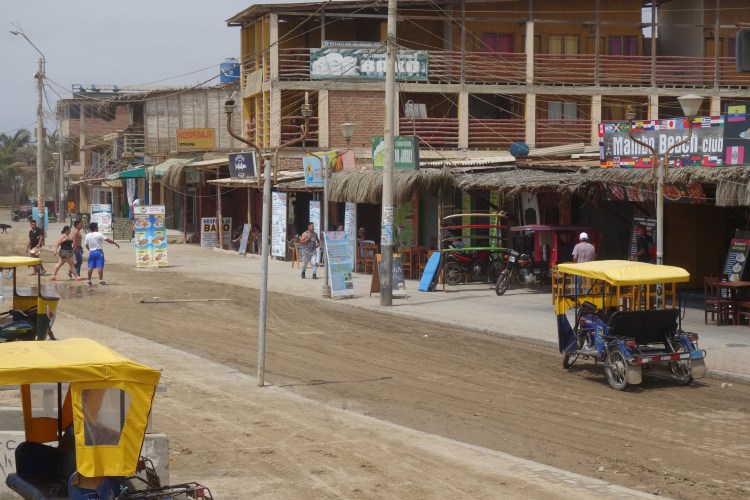
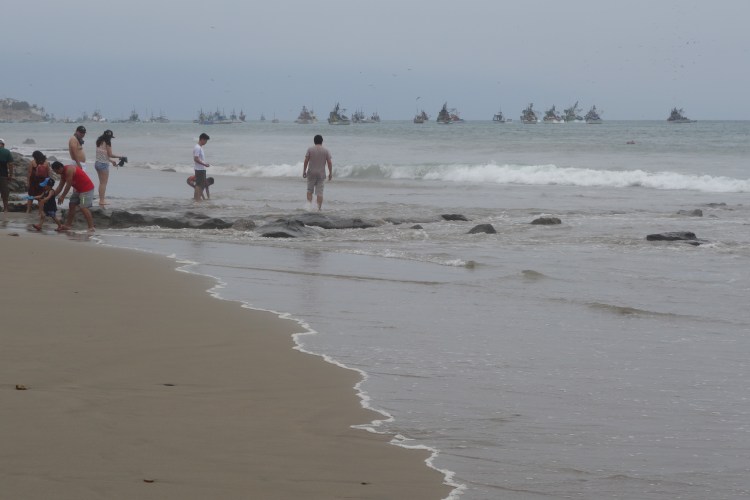
With the intention of spending the next few days pushing south along the coast, I packed up my belongings and quietly rode out of the sleeping, hungover Mancora . I tried to thank Tito as I left but he was sprawled out in his hammock, snoring.
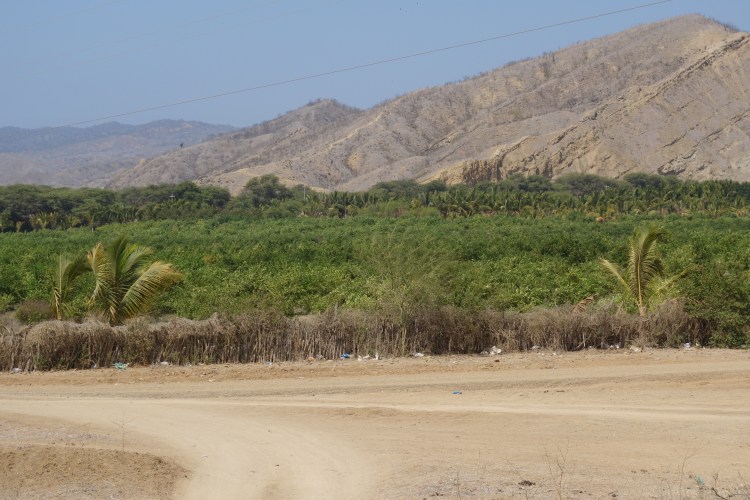
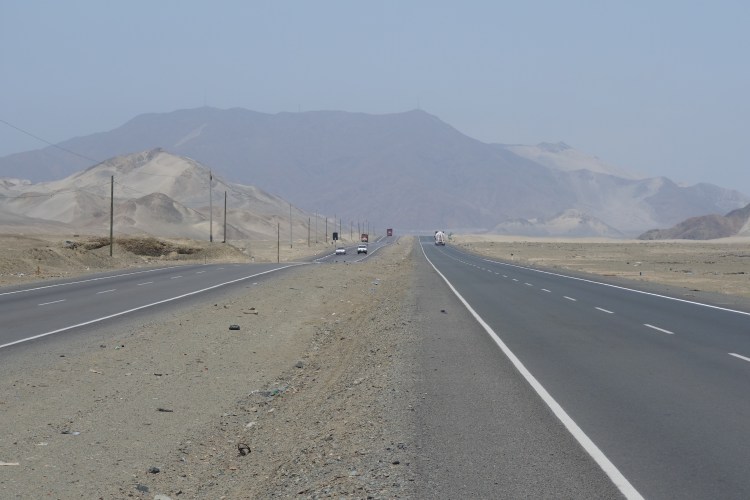
The aridity of the barren coastal landscape was striking. The straight roads produced a thick heat haze, blurring the image of approaching traffic. Occasionally, the road would cross a stream, which had been persistent enough to make it all the way from the Andes to the coast. Few and far between, these mere trickles of water were enough to create lush, verdant oases in what was otherwise a desolate, uncultivable landscape.
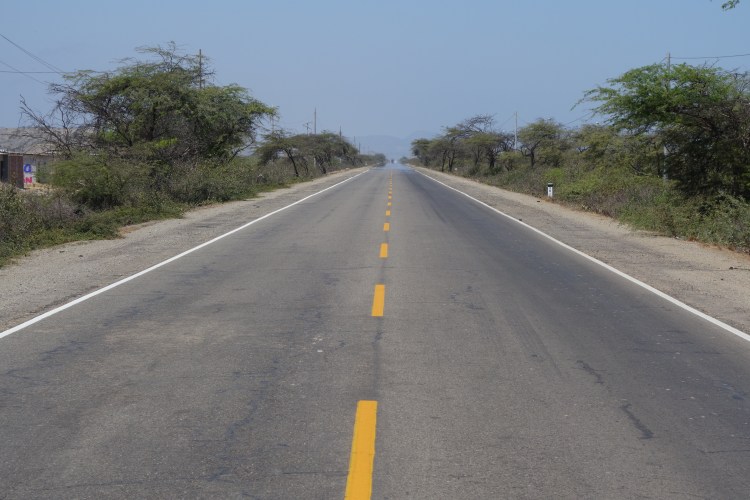
Having already sighted a line of boats off a distant headland, I eventually arrived at the long, central pier in the town of El Organo. Having not seen many people all morning, I was a little taken aback by the perky atmosphere along the water’s edge, especially given it was a Sunday. I propped my bike against a mountainous pile of black fishing nets, and wandered out along the pier from which I watched countless Green Turtles perusing the mollusc-encrusted pylons. Their wrinkled necks strained upwards as they took in air for their next dive, exposing their scarred and striated shells. I could leave the description of this scene here, but the reality deserves elaboration.
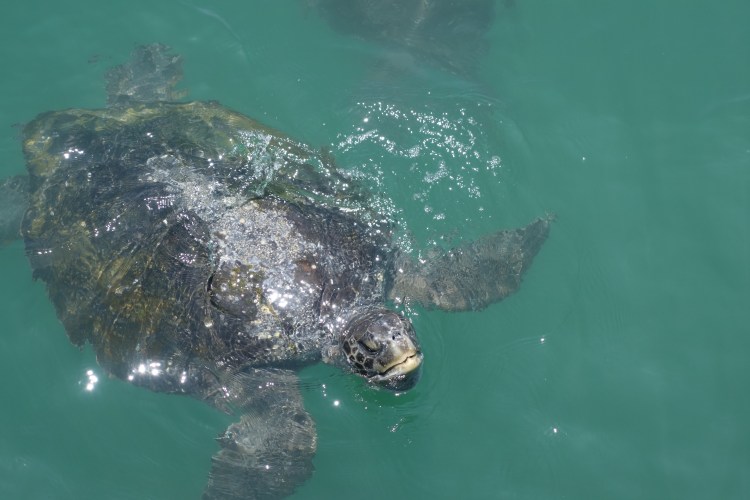
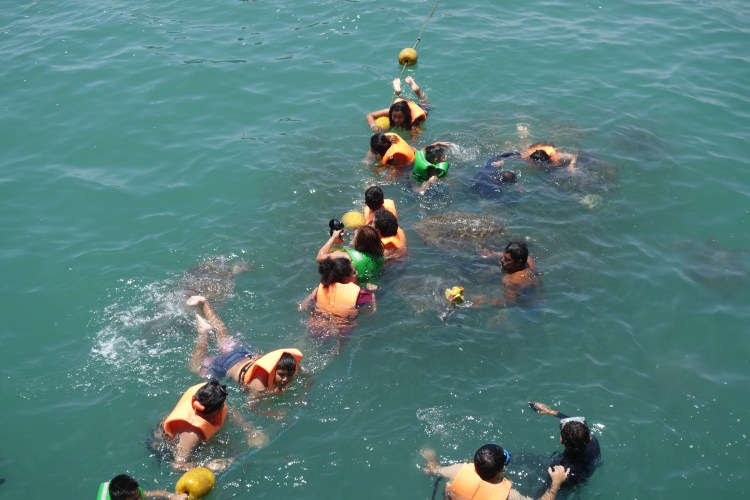
Outnumbering the gracefully moving turtles, were dozens of loud, splashing tourists. Holding onto a rope tied to the pier with Go-Pro cameras in their spare hands, they kicked around frantically, buoyed by matching oranges life vests. Every few minutes, two elderly men sitting on upturned white buckets would throw another rope out towards the melee that was occurring in the water below them. Attached to the end of the rope were a bunch of fish carcasses. The turtles would centre in on the easy feed, ignoring the accosting crowd around them. The two old men watched on, their blank expressions signalling that is just another day on the pier. The turtles slowly pulled at the remains of the fish, whilst their shells were grabbed and their leathery heads were patted vigorously from all angles. I began to empathise with Justin Bieber when he tries to make his way through an airport. The scene was captivating, in the most concerning way. I walked back to my bike and rode away from El Organo feeling a little unsettled.
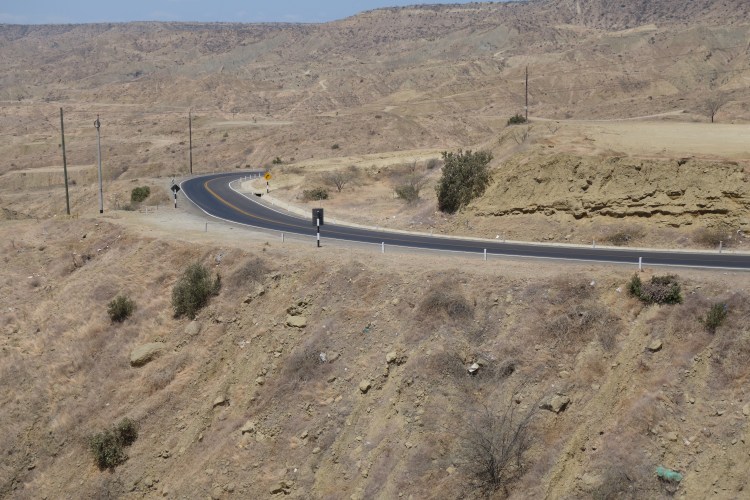
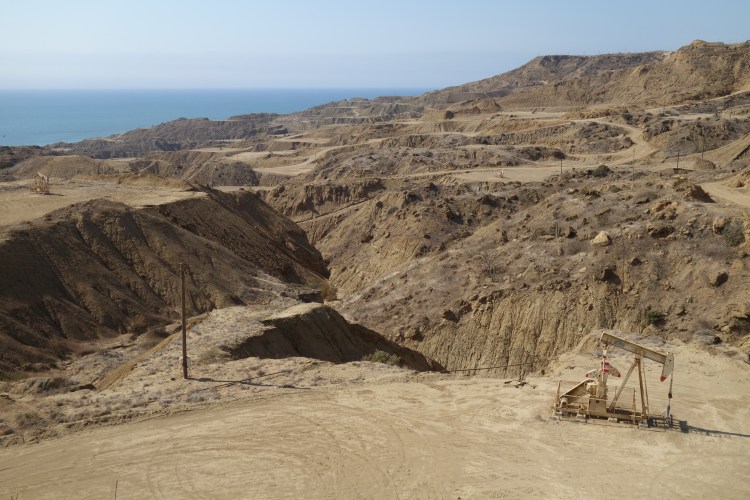
After a short, sharp climb which afforded a phenomenal vista back over the road I had travelled, I entered oil country. At first, I suspected a broken spoke as a continual tapping sound began to emanate from what I thought was my bike. I stopped. Everything was still in perfect order. I rode on, with one eye on the road and the other on the bike beneath me, trying to identify the source of the noise. After several confused minutes, I finally saw the piston-like piece of machinery, slowly moving up and down at the same speed as the revolutions of my wheels. The unmanned drill was slowly working away at extracting oil from what otherwise appeared as a completely unfruitful landscape. Over the course of the next hour, the drills increased in quantity, as did the offshore oil rigs, occasionally spitting flames high above the horizon.
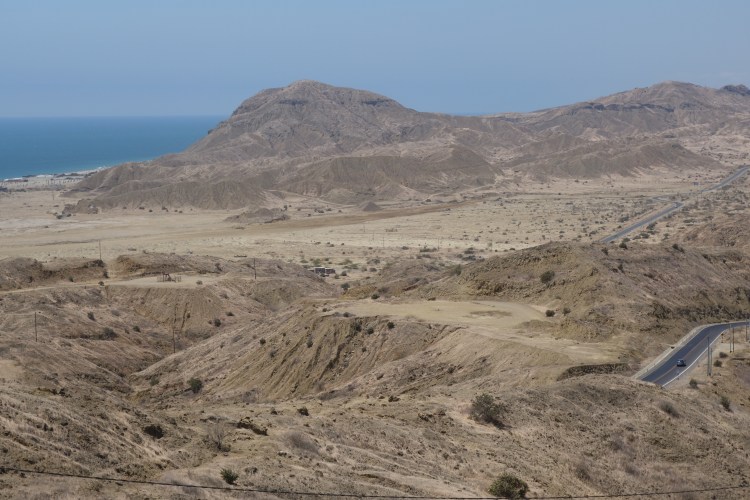
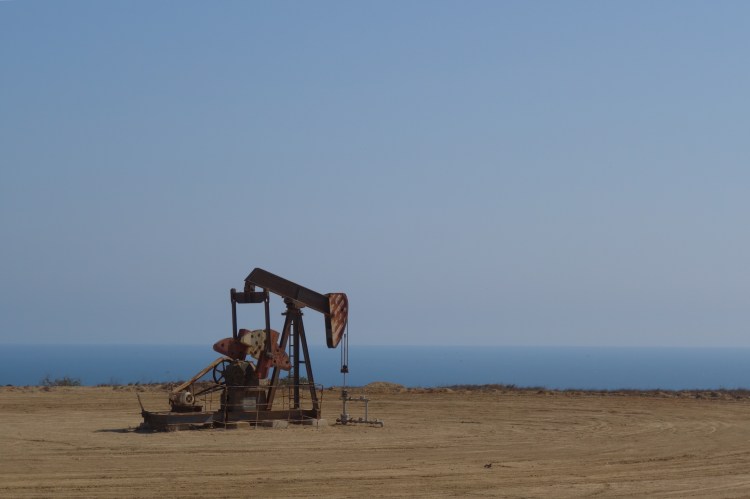
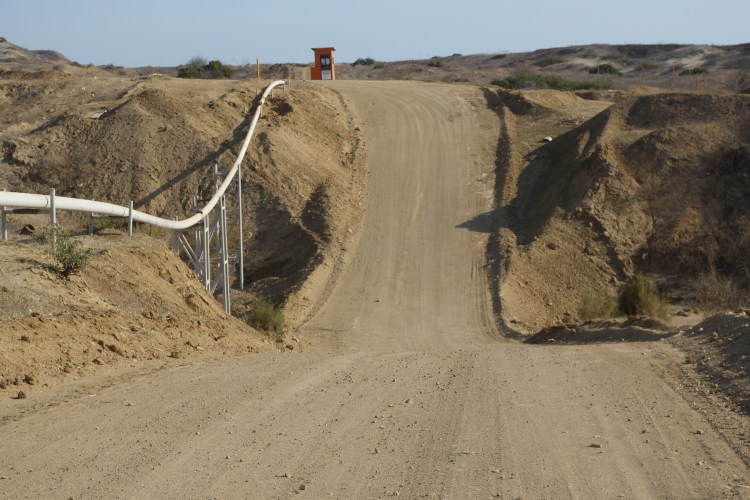
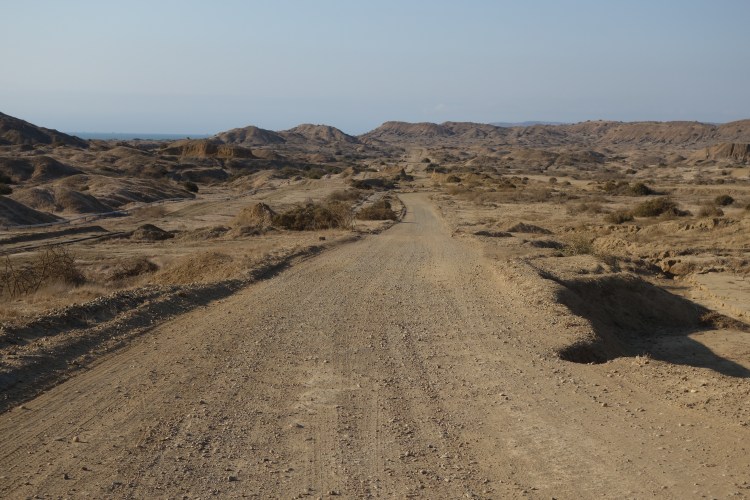
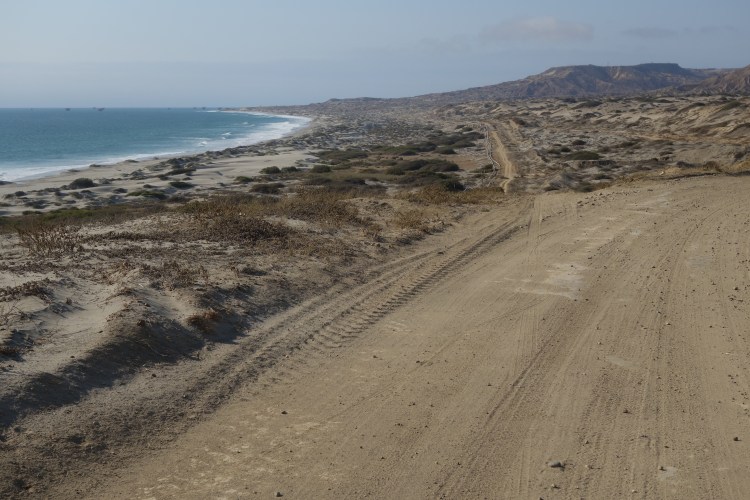
The map showed the main highway diverting inland for 30 kilometres of so before rejoining the coast. However, there seemed to be another road that continued alongside the ocean. Always keen to avoid the highway, I went in search of this route where upon arrival at a security checkpoint, I was waved, albeit under dubious watch from the guard. A few kilometres of smooth, sealed road lured me further along the coast, before turning to dirt with sustained stretches of deep sand. However, the less than ideal road surface paled into insignificance, compared to the unworldly landscape I found myself pedalling through. An unfathomable amount of oil wells, each with a drill moving up and down, provided a percussive soundtrack to my ride. Perfectly formed sand dunes acted as a narrow buffer between the ocean and the oil fields. Transfixed on the overbearing yet alluring landscape, I followed what I assume was a oil pipeline. It stretched out as far as I could see, most likely to the next major port or refinery along the coast.
Following a hypnotic few hours of riding, I arrived in the dusty, ramshackle town of Lobitos. I’d read that this town was similar to Mancora, minus the nightlife. It sounded idyllic.
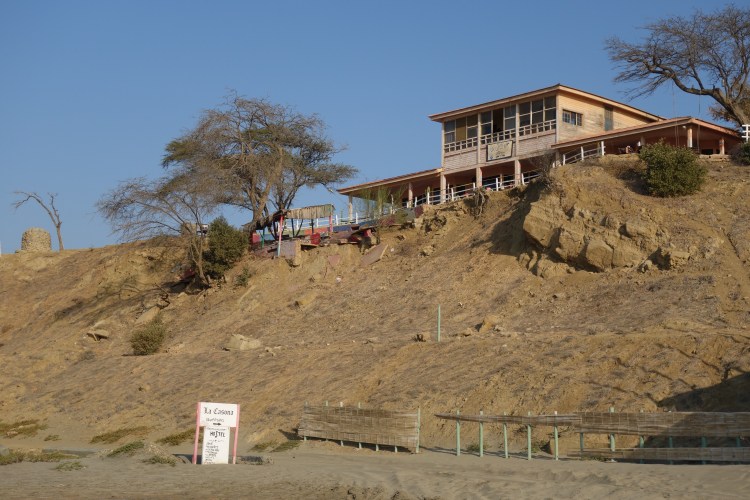
I located a hostel, La Casona, perched commandingly atop a cliff overlooking the waves below. The large, weatherboard building was the love project of the group of local guys that ran the place. They had spent a few years renovating the building and turning the grounds into a haven of hammocks, fire pits, and couches, which were all orientated to the drawcard of the town; the surf. One of the owners lead me to a space where I could pitch my tent. As soon as I saw the location, I told him to scrap my previously discussed check out date. Almost subconsciously, something was telling me that this was a part of the world where I needed to settle in for a few days.
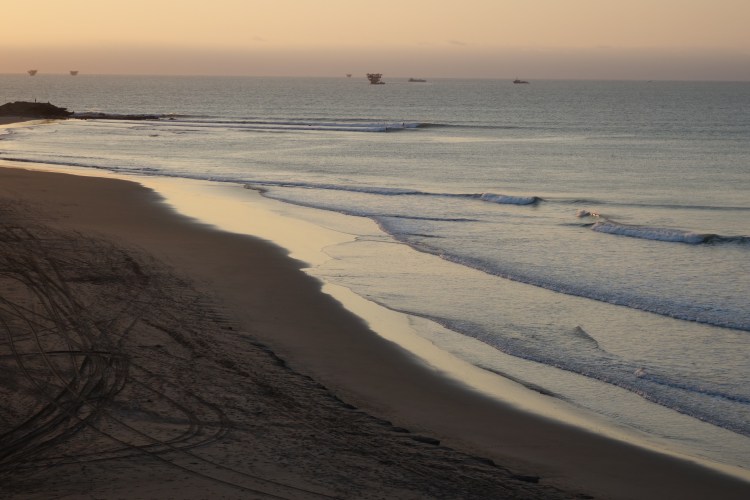
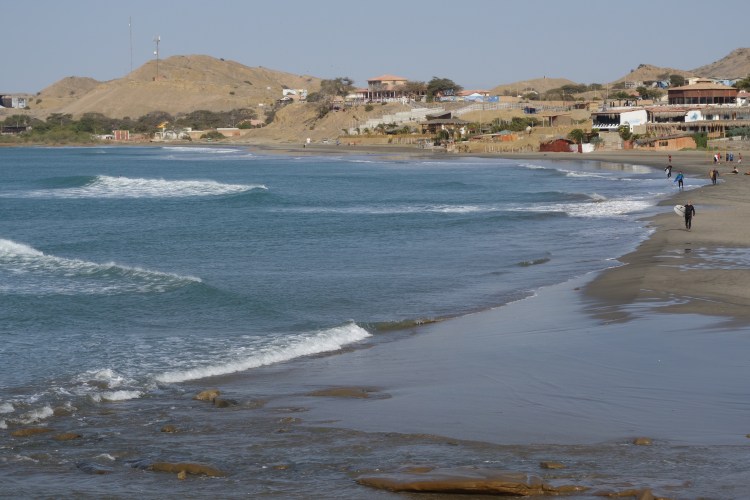
Just as I let the waves wash over me, I also gave in to the passing of time. Despite doing very little during my stay in Lobitos, I developed a utopian routine. I started each day with a swim, allowing the energy of the perfectly formed waves to awake and sharpen my senses. Several times, I was joined by turtles who were also floating within and diving beneath the waves. Letting the morning sun dry my skin, I would assist the passing of the next few hours with several cups of coffee on the balcony of the hostel. I almost developed an unhealthy dependence on the 11am visit from the local baker. At touch over five feet tall, with his checkered shirt done up to the top button and tucked tightly into his chocolate coloured corduroy slacks, he would wander the balcony of the hostel selling his treats to hungry surfers. His tray of apple and plantain pastries extended out from his waist, at a right angle with his body, suspended by a frayed nylon cord which wrapped around the back of his neck. The baker’s smile and sweet treats were the perfect compliments for freshly brewed coffee. My afternoons were spent reading, writing, and watching Humpback whales throw themselves skyward between oil rigs on the horizon.
On my first morning in Lobitos, I noticed another guy who seemed to be spending his day in a similar manner to me. Dreadlocked and pot smoking, he appeared to be in his happy place. Admittedly, I may have typecast him, based on this façade and the setting we were in, however, as always this journey continues to conjure up surprises. We got chatting.
Originally from Louisiana, Chris now lived in California, though he had quit his job prior to leaving for South America. When I asked where his travels had taken him, his story began to take shape. He was a doctor, specialised in ICU and respiratory illnesses. However, his passion, and the reason he was in Peru, was research. Over the last few years, he had devoted countless months to travelling the world investigating the physiology of local residents within high altitude communities. Last year he had based himself in the Italian-built research centre at the base camp of Everest (which I remember visiting in 2008). Working with the Sherpas had provided a fantastic reference point for his comparative research here in Peru. Unlike the Sherpa villages of Nepal, Peru’s high-altitude communities are relatively new, historically speaking. Chris told me that he had encountered dozens of Peruvians living with chronic mountain sickness, due to what appears to be a relatively short amount of time genetically adapting to the lower levels of oxygen. After months of research, he was enjoying this short hiatus amidst the sun and surf. From Peru, he was heading to Croatia where the world breath-hold and free diving championships were occurring; the epicentre for those involved in respiratory research. From there, it would be on to Ethiopia to yet another high altitude community within which he would base himself and gather data over the course of another few months.
On my final night in Lobitos, I sat around a fire on the edge of the cliff with Chris and few others. The onshore breeze raced up the embankment from the beach below, spraying sparks from the fire skyward. We let the fire reduce to coals and cooked some foil wrapped potatoes and fresh Bonito which had been bought from some fishermen on the wharf.
The next morning, as a packed up my tent, the wind swung 180 degrees, blowing offshore for the first time since I’d arrived on the coast. Within minutes, the faces of waves were being pushed back causing them to grow in height. Surfers descended from the various hostels and villas along the beach, like penguins heading out to sea for the day. A change in weather seemed like a fitting time to leave Lobitos. I was refreshed, inspired, and had reestablished daily meditation; a practice which had fallen by the wayside after long days on the bike. In not travelling a single kilometre over the past days, I felt I had come so far. The journey was beginning to a shape which sat well with me.
Fast forward to slow down
Spending a few days in Lobitos allowed me the time to consider the route ahead. It has now been confirmed that Dad will be flying into Chile in November, to spend six weeks with me cycling though Patagonia. Despite adding a definite deadline to my plans, it is far from a burden. I’m so bloody excited!
When I was roughly planning this trip, I had calculated that I could reach Ushuaia – commonly considered to be the world’s southernmost city – entirely under my own steam by achieving an average of 60km per day. In assessing my progress to date, and looking at the road ahead, there is no doubt in my mind that this would be achievable. However, it would mean avoiding high mountain passes and dirt road detours. It would require a straight line, potentially limiting the opportunity for exploration and the option of extending my stays in places where I feel a connection. With Dad’s arrival on November 10th in Puerto Montt, Chile, I have decided to immerse myself in alluring roads and hiking trails, and catching busses to make up the necessary miles. Using public transport will fast forward some sections of this journey, only to allow me to slow down in others. It is a compromise with which I am content.
Having spent a week on the coast, I was ready to reengage with the mountains. Still a few hundred kilometres from where I planned on turning for the hills, and eager to spend a few weeks in the Peruvian Andes, I left Lobitos and rode to the slightly larger centre of Talara, an hours ride south. From here, I slipped my bike in the luggage hold of a double-decker coach, and caught a lift to the city of Trujillo, 500km south of Talara. In researching this road, it appeared to be primarily straight and through the desert. I felt good with the decision.
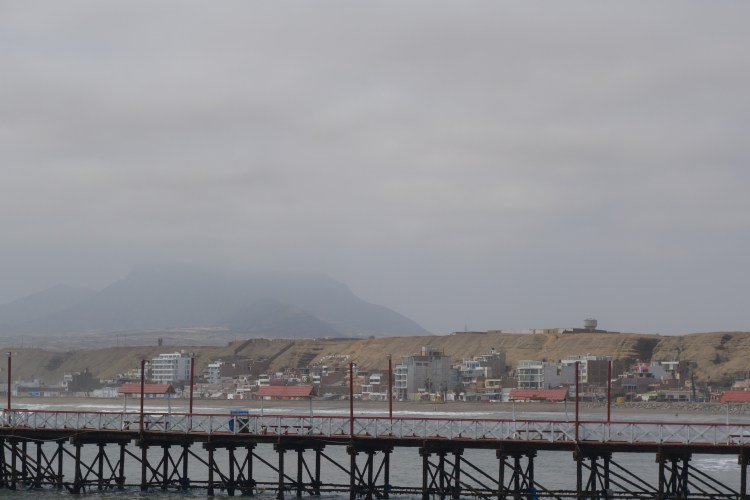
The bus pulled into Trujillo before first light. After sitting on the floor of the terminal waiting for the sun to rise, I joined the morning commute through the city as it woke up and the use of car horns increased steadily. With a stomach filled with boiled eggs and quinoa, I embarked on the enormous 20km ride north to the coastal town of Huanchaco. Chris had recommended that I check it out, and following a relatively sleepless night on the bus, one last surf town seemed like an attractive option. He had also referred to the thick fog that seems to engulf the central coast of Peru; a stark contrast to the endless sunshine that we had experienced in Lobitos. It was an easy ride, yet the aforementioned haze reduced the view to only a few hundred metres ip the road ahead. Piles of rubbish lined the roads, scattered amongst crumbling buildings and vacant military bases which made for a somewhat dystopian scene. After a sign signalling my arrival in Hauncaco finally appeared from within the fog, I followed the main road through the town and past a number of market stalls where I picked up some mangoes, strawberries and avocados.
I managed to easily locate a hostel which would let me pitch my tent. Arriving so early in the morning granted me a whole day in Huanchaco. I used the time to do some laundry and marvel at the quality of surfing that was occurring only a stone’s throw from the front of the hostel. A large scaffold was being erected on the beach, which I later found out was for a national surf competition beginning the next day. This explained the dynamic cutbacks and impressive aerial tricks that I had been watching, as most of the competitors were out on the waves getting a handle on the local conditions. Interestingly, Huanchaco is considered my many as the birthplace of surfing. The area is famous for its cigar shaped boats called caballitos. They are constructed from bound totora; a reed-like plant which grows particularly well in the region. Local fishermen would paddle their boats out through the breakers, and what was originally done through necessity, turned into a sport, as they would then try to outdo each other riding the waves back to shore.
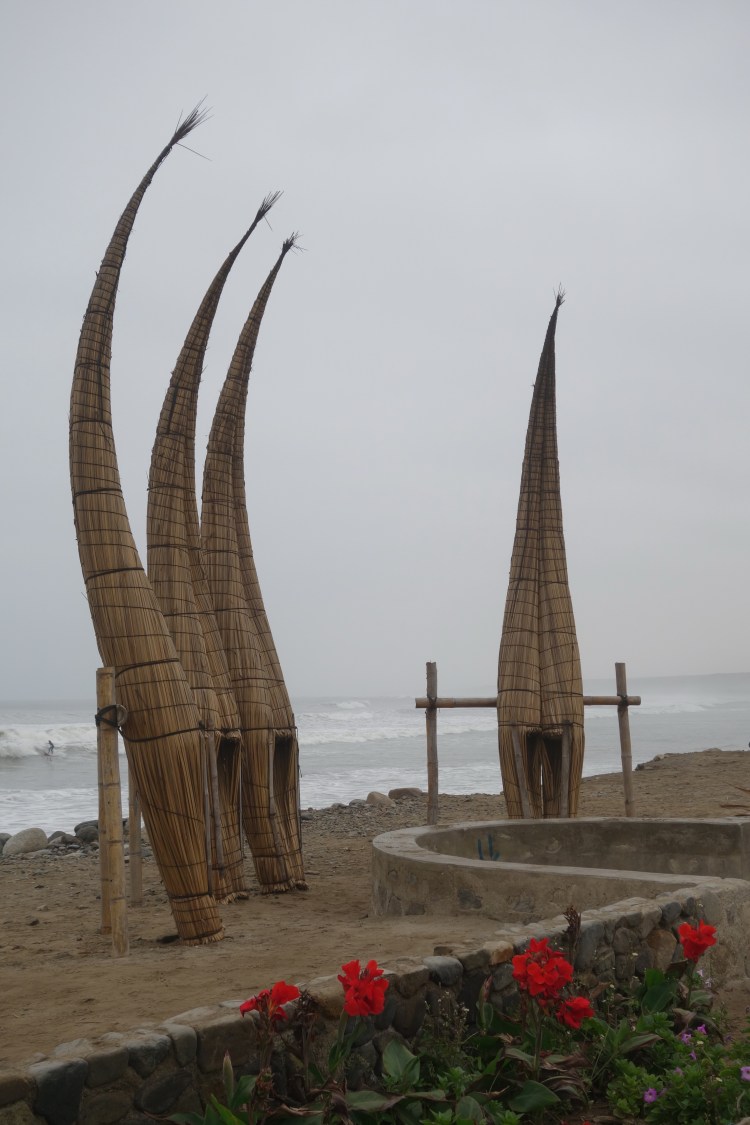
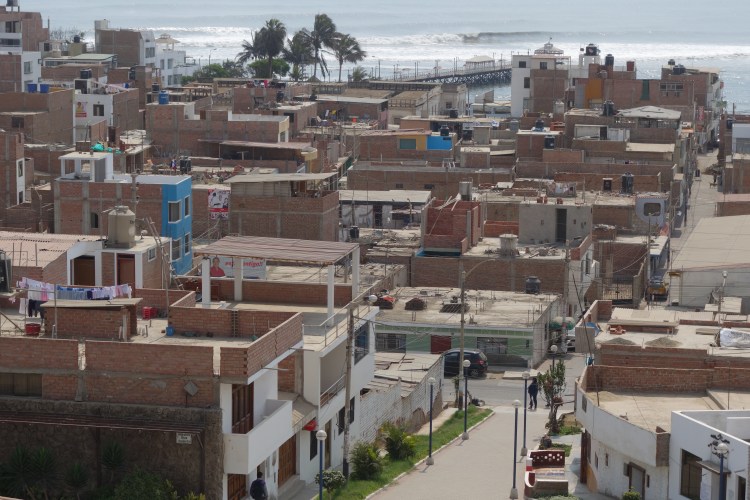
Pulling myself away from the athletic demonstrations on offer in the surf, I sought higher ground, following a stone staircase to a church overlooking the town. A large banner hung from the side of the cathedral, advertising an upcoming visit from the Pope. Perhaps I should have stayed. I had just missed Ricky Martin, live in Cuenca, by a few days, and now I was throwing away another star-studded opportunity, all in the name of saddle sweat and breathlessness.
The time finally came to leave the beaches. After an offensively large bowl of porridge, mango and strawberries, I rode past the early morning heats of the surf competition and pointed my bike towards Chimbote, the city where the Pan-American highways meets the junction with the road I will take to the mountains.
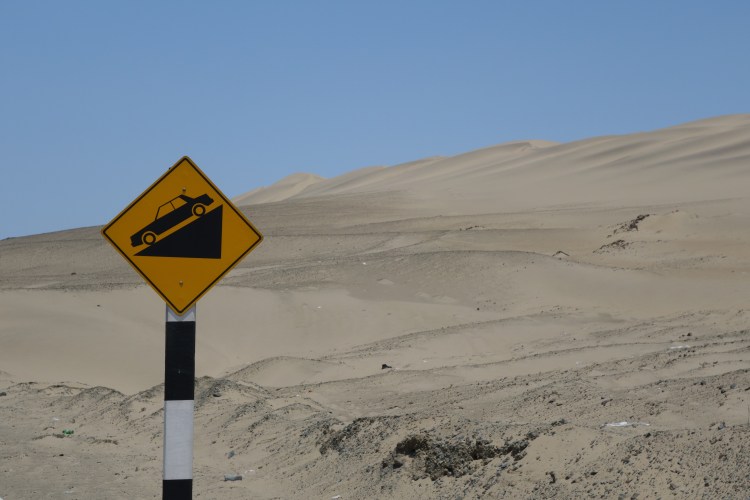
The 160km from Huanchaco took me two days of testing riding; physically and mentally. Steep, rolling hills dissected sand dunes and arid hillsides. As relentless as the southerly headwind, was the heavy traffic. Trucks raced past, signalling their approach with a loud horn which was held down until they’d past me by. The road was sensational – slick, smooth ashphalt. Unfortunately, the persistent traffic forced me into bumping along the corrugated shoulder, dreaming of what the unblemished surface, only 20cm to my left, would feel like beneath my wheels. Riding along such a busy road, populated by horn-happy drivers and oversized vehicles, feels so much lonelier than when I find myself on unsealed roads without another soul in sight. Hopefully the following days afford some of these moments.
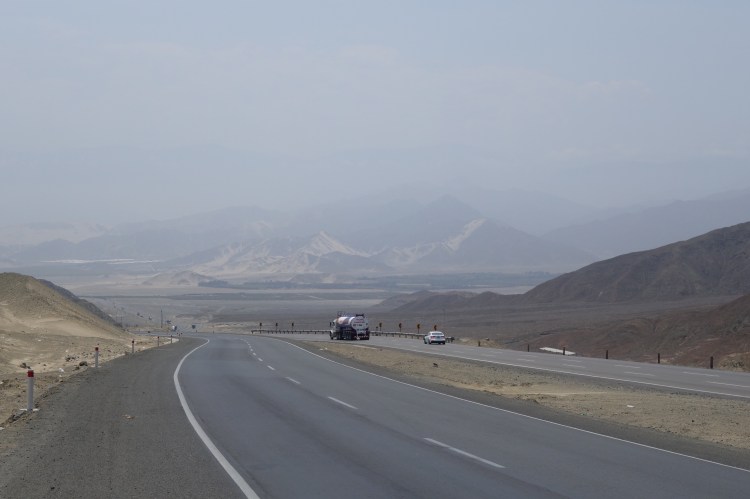
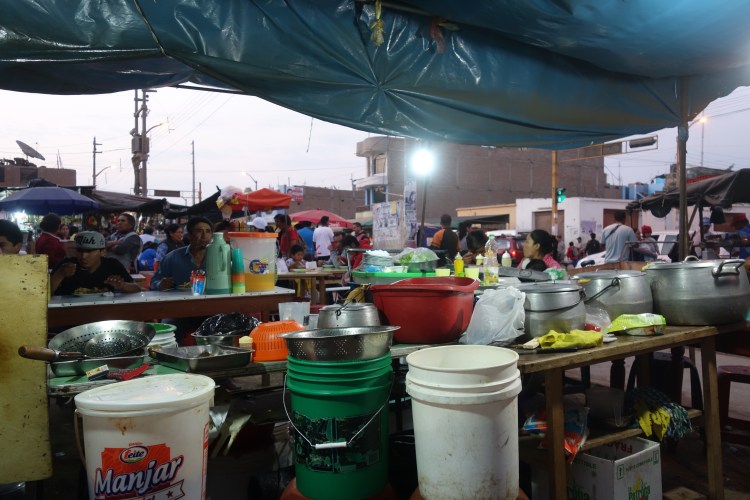
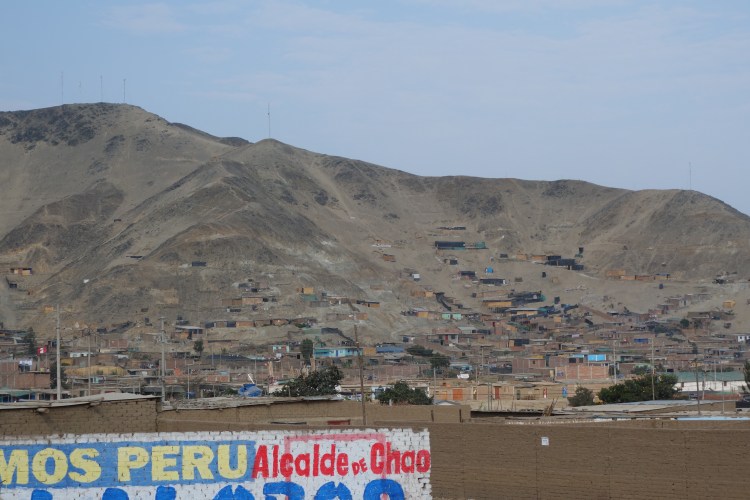
A silver lining to the quality of riding, were the Gringo-free towns that I passed through on the road to Chimbote. Having spent the last week in the presence of other travellers, it was refreshing to stroll marketplaces aimed purely at locals. Although my cycling tan, which is lower than the shorts I wear when off the bike, drew some strange looks, I otherwise went unnoticed. In the small town of Chao, where I spent the night between Huanchaco and Chimbote, I was able to slip into a row of men sitting on colourful plastic stools at the bench of a food cart, and quietly enjoy a plate of fresh ceviche that was placed in front of me without any prior conversation. It was a simple interaction. The lack of choice provided an uncomplicated existence which I could easily come to get used to.
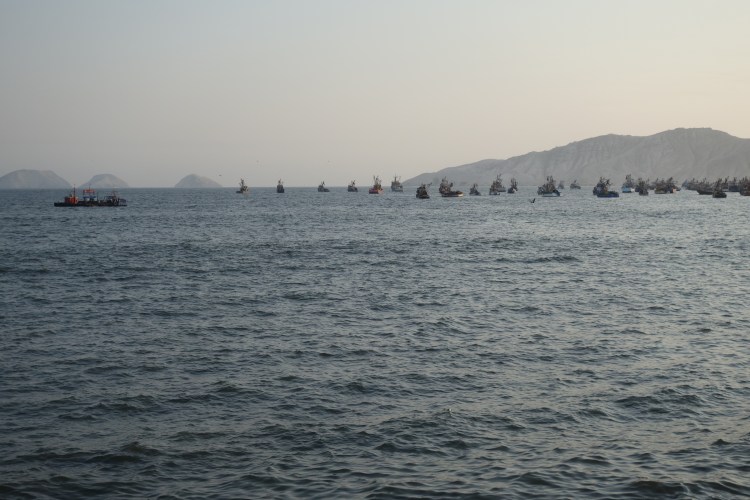
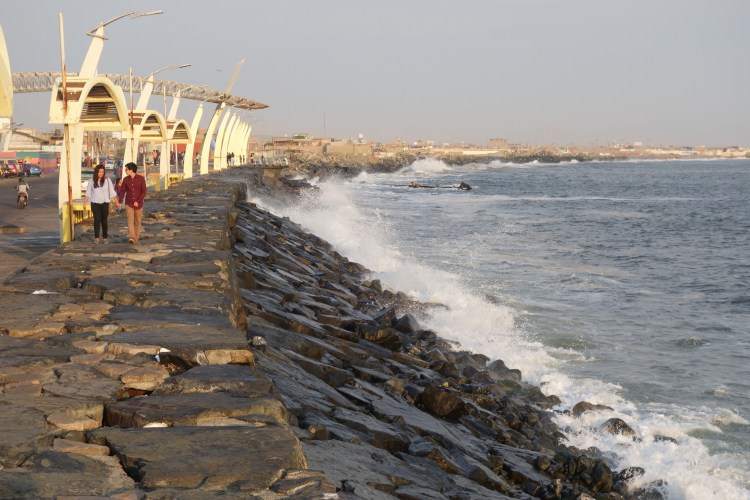
Lacking the surf of the previous coastal towns I had a visited, Chimbote sits on the edge of a natural harbour, protected from the Pacific swells by a series of islands. As a result, the northern corner of the harbour was packed tightly with fishing boats. Still, the gannets and brown pelicans managed to find water between the boats as they fell from the sky, diving precariously, yet with conviction, while they hunted their evening meal. I sat on the breakwater which marked the foreshore of the city. Couples, hand in hand, wandered along the water’s edge, running and giggling between the spray of waves hitting the rocks, while the setting sun cast their faces in an orange glow.
I won’t miss the horns of the highway or the grittiness of a sand encrusted bike chain. However, the time spent on the beaches of Peru have provided me with the perspective and energy that I needed to move forward on this journey.
Thanks for reading.
 Faults and Folds